
Permeable Pavers and Yard Drainage in Florida: When They Make Sense
Permeable pavers let rainwater soak through open joints into a layered stone base instead of running off, which can ease a standing-water spot right around a driveway or patio and, in some cities, offset part of a lot's impervious-surface limit. As of October 2026, they perform best on well-drained soil or with an engineered underdrain; on Florida's poorly drained flatwoods soils they need a bigger stone reservoir to actually work as designed.
By the Opera Concrete & Pavers estimating team · Updated October 1, 2026
Do Permeable Pavers Help Prevent Yard Flooding?
Permeable pavers let rain soak through open joints into a layered stone base instead of sheeting off the surface, which can meaningfully reduce standing water right around a driveway or patio built with them. What they don't do is solve a yard-wide flooding problem that's really about overall grading, a high water table, or a stormwater system elsewhere on the property; a permeable surface manages the water that falls on it, not water arriving from somewhere else on the lot.
How Are Permeable Pavers Built Differently From Regular Pavers?
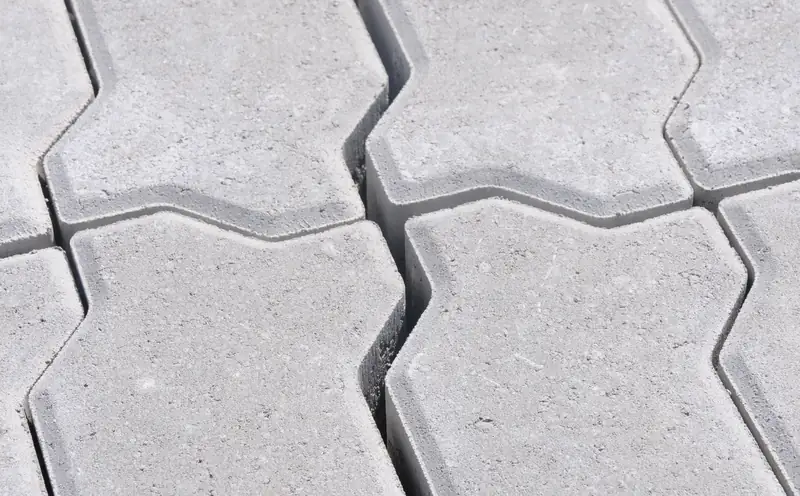
A standard paver system uses polymeric sand in tight joints and a dense-graded, compacted aggregate base that's built to stay firm and shed water off to the side. A permeable system flips that: open joints filled with small, angular stone instead of sand, an open-graded bedding layer, and an open-graded aggregate reservoir underneath that temporarily stores water as it works its way down into the soil or out to a drain, built from clean stone with no silt or clay fines anywhere in the system, since fines are what clog the pore spaces that make the whole thing work.
Federal and state stormwater programs recognize permeable pavement, including permeable interlocking concrete pavers, as a standard low-impact development tool for managing runoff on a site, according to EPA's green infrastructure guidance.
Do Permeable Pavers Work on Florida's Sandy, Poorly Drained Soil?
It depends on which part of the lot they're going on. Ridge sands like Candler, common on higher, drier ground, drain excessively well and sit close to an ideal subgrade for straight infiltration per its USDA soil description. Flatwoods soils such as Myakka, Florida's state soil, are a different story: the USDA describes the groundwater sitting close enough to grade for months at a stretch across much of both service areas in its official soil description, which isn't ground that can simply absorb water as fast as a permeable system can deliver it to the subgrade.
On that kind of ground, a permeable system typically needs an underdrain pipe tied into a swale or the yard's existing drainage rather than relying on straight infiltration, and the reservoir layer may need to be built thicker to store more water before it has somewhere to go. The same wet-soil principle that calls for a thicker standard paver base on poorly drained ground applies here too per ICPI's construction guidance.
Do Permeable Pavers Count Toward a City's Impervious Surface Limit?
This genuinely varies by city, so it's worth checking rather than assuming either way. North Port's land development code specifically allows pervious pavers or other permeable surface materials to offset a lot's calculated impervious surface area, as long as the owner keeps them functioning as pervious under its own code section. Winter Garden's impervious area worksheet, by contrast, states flatly that "pavers are impervious" without carving out an exception for a permeable system on its published worksheet. A homeowner weighing permeable pavers specifically to help with a lot-coverage limit should confirm the local rule with the permit desk before assuming it will count in their favor; the permits and HOA hub has jurisdiction notes for both service areas.
Say a homeowner in a North Port subdivision is right at the lot's impervious coverage ceiling and wants to add a 400-square-foot patio: a permeable system there could be the difference between a project that's allowed as drawn and one that needs to shrink, while the identical patio in Winter Garden would still count fully toward the same calculation either way. That's a real design decision worth raising with the permit desk before pavers are even picked out, not after a plan is drawn.
What Does a Permeable Paver System Cost Compared to Regular Pavers?
National cost data puts permeable pavers toward the higher end of the paver driveway range, roughly in the mid-teens to mid-twenties per square foot installed, against a lower range for standard concrete pavers per Angi's paver driveway cost data. The gap mostly reflects the extra depth of clean, open-graded stone in the base and the specialized joint material, not the paver units themselves. The paver driveway cost guide breaks down sizes and scopes in more detail; this post focuses on when the added cost is worth it rather than restating that table.
How Much Maintenance Do Permeable Pavers Need?
More upkeep than a standard polymeric-sand joint, not less. The same open joints that let water infiltrate also let silt, leaves and mulch settle in over time, and once enough fine material builds up, it can clog the pore spaces and slow drainage the same way a storm drain clogs with debris. Periodic cleaning or vacuuming of the joints keeps a permeable system performing the way it was designed to; our paver sealing and restoration service includes this kind of surface cleaning, and our cleaning guide covers the gentler methods that won't disturb the joint material itself.
| Joint material | Best soil fit | Maintenance | |
|---|---|---|---|
| Permeable pavers | Small, open stone; no fines | Good-draining or engineered with an underdrain | Periodic joint cleaning to prevent clogging |
| Standard pavers | Polymeric or regular joint sand | Works across most soil types with the right base depth | Occasional re-sanding and sealing |
A general comparison; a specific lot's soil and drainage should be assessed on site.
Frequently asked questions
Are permeable pavers worth it in Florida?
They're worth it where standing water right around a driveway or patio is the actual complaint and the subgrade can be built to handle infiltration, either naturally well-drained soil or an engineered underdrain. They're less worth the added cost purely as a yard-wide flooding fix, since they only manage water that lands on the paved area itself.
Can permeable pavers be used for a driveway, not just a patio?
Yes. Vehicle-rated permeable systems use a deeper open-graded base than a pedestrian-only installation to carry the same loads a car puts on a standard paver driveway, which is one more reason the base depth and material matter more than the paver color or pattern on a driveway application.
Do permeable pavers need a different base than regular pavers?
Yes, a different kind of base, not just a thicker one. Regular pavers sit on a dense, compacted aggregate base meant to stay firm and shed water to the side; permeable pavers sit on an open-graded, uncompacted-in-the-same-way aggregate reservoir specifically built with gaps for water to pass through and briefly collect in.
Can permeable pavers replace a drainage pipe or French drain?
No, they handle a different kind of water. A permeable surface manages rain that lands directly on it; a French drain or pipe moves water that's already collected somewhere else on the lot, often from a roof, a neighbor's yard or low-lying ground. Drainage work behind a wall or a swale is the right tool for that second problem, sometimes alongside, not instead of, a permeable paved area.