
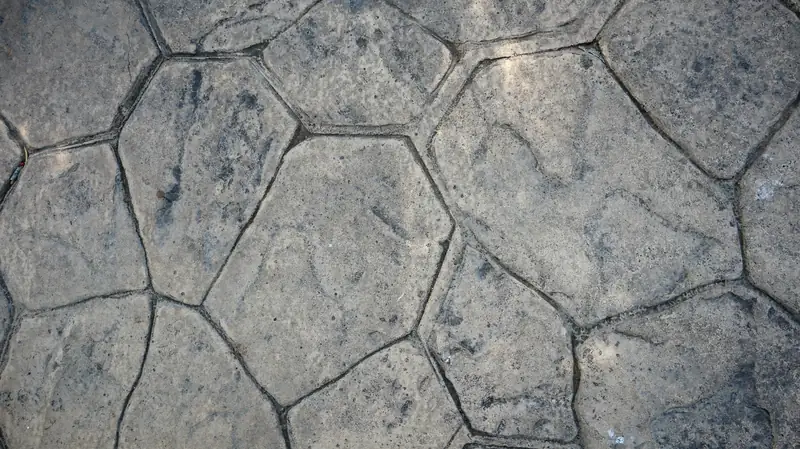
Concrete Patios · Sarasota, FL
Concrete Patio Installation in Sarasota
A concrete patio in Sarasota runs $6–$13 per sq ft installed as of October 2026. The city's own permit guidelines don't name patios one way or the other, so confirming with the Building Division before pouring is part of the job, not an afterthought.
By the Opera Concrete & Pavers estimating team · Updated October 1, 2026
Get a free estimate
Tell us about the project and we'll call to set up a free site visit.
Why a patio slab can trigger a grading permit before it triggers a building one
Sec. 29.5-8 of the city code requires an erosion and siltation control permit from the city engineer before cutting, filling, grading or altering the natural topography of a lot, with an exemption for minor land-disturbing activities such as garden work, individual home landscaping and routine repairs City of Sarasota Code §29.5-8 Erosion and siltation control permits. A small patio addition that doesn't change the lot's grade usually stays inside that exemption; a larger lanai extension that reworks drainage toward a neighbor's fence line is the kind of project where that line gets tested. Separately, the city's Building Permit Requirement Guidelines list only gas, mechanical and plumbing work as exempt under FBC 105.2, and say nothing about patios or slabs either way, closing with: "When in doubt... call the City Building Division at (941) 263-6494" City of Sarasota Building Permit Requirement Guidelines.
Why a Patio's Base Doesn't Need a Driveway's Depth
A patio never carries a car's rolling weight, which is why paver base guidance calls for at least 4 inches of compacted aggregate on well-drained soil under a patio or walkway, against 6 inches under a residential driveway. Florida's residential code still treats the ground under a Sarasota patio the same as any other slab on the ground: fill compacted for uniform support, topped with at least 4 inches of clean graded sand, gravel or crushed stone. On flatwoods soils like Myakka, Smyrna or EauGallie, which hold a water table within 18 inches of the surface part of the year, that lighter design load doesn't make the base work optional, only right-sized for what will actually sit on it.
What counts against the lot's coverage once the patio is in
Whatever the permit question resolves to, the finished patio still counts toward the lot's impervious coverage under Table VI-203, the same cap that applies to the driveway and the roof, running from 60% in RSF-E up to 75% in the densest single-family zones City of Sarasota Zoning Code §VI-203 (Table VI-203). On a lot that already carries a full driveway and a pool deck, we run that math before design rather than after, since a patio that pushes a parcel over its zone's limit is a redesign, not a change order. A paver patios & walkways alternative changes the look and the joint maintenance, not the coverage math.
The Vapor Retarder Question an Open-Air Patio Raises
Code requires a 6-mil polyethylene vapor retarder under most slabs on the ground, with exceptions carved out for garages and unheated accessory structures, a rule written mainly with conditioned interior floors in mind. An open-air Sarasota patio is not conditioned living space, but it is not quite a garage or accessory structure either, so whether it falls on one side of that exception or the other is worth confirming with the local building official rather than assuming either answer. Getting it wrong in either direction, skipping a retarder code actually requires, or adding one where it serves no purpose, is an easy mistake to avoid by just asking before the pour.
Say you have a 20 × 16 ft lanai extension, 320 sq ft, off the back of a screened pool cage on a standard RSF-3 lot
Say you have a 20 × 16 ft lanai extension, 320 sq ft, off the back of a screened pool cage on a standard RSF-3 lot. At the market range of $6–$13 per sq ft, that runs $1,920 to $4,160, or roughly $2,240 to $3,200 in the typical $7–$10 band for a broom-finished slab with a control-joint layout sized to the panel. Because the addition sits flush with the existing grade and doesn't reroute drainage, it is the kind of scope that usually clears Sec. 29.5-8's minor-landscaping exemption, but we still confirm the building-permit question with the city before pouring, since the guidelines leave patios unaddressed either way. Adding the new square footage to the lot's existing coverage total against the RSF-3 cap is part of that same call.
Curing Has to Wait on the Finish You Picked
Curing a patio that is going to be stained or colored cannot follow the same fixed schedule as a plain gray slab, because some stains and sealers need the surface moisture content and cure time further along than a basic curing compound requires before they will take evenly. On a Sarasota job, that means the finish decision made back at the planning stage, broom, exposed aggregate, color, feeds directly into how the crew schedules curing and when the next trade is allowed back on the slab. Rushing a stained finish onto a patio that has not cured long enough is a common way to end up with blotchy, uneven color instead of the look that was ordered.
A Patio Sloped Toward the House Finds the Sliding Door First
A patio that slopes even slightly toward the house instead of away from it sends every storm straight at whatever is closest, a sliding glass door, a lanai threshold, a foundation wall, rather than out into the yard where it belongs. On flatwoods soils already holding water near the surface for part of the year, a Sarasota patio with the wrong fall does not just puddle, it keeps that water sitting against the house through an entire rainy season instead of one storm. The fix almost always traces back to grading decided at the subgrade stage, not the finish, which is why checking the fall before the forms go up matters more than checking it after the pour.
Moving the Planters Before They Leave a Mark
A heavy planter, an outdoor kitchen's grill island or a cluster of furniture left in exactly the same spot on a Sarasota patio for years can leave a faint discoloration or staining ring on the surface, especially on a sealed or stained finish where UV exposure differs between the covered and uncovered concrete underneath. Moving furniture and planters periodically, even just a few inches every season, spreads out that exposure and keeps one section of the patio from visibly aging faster than the rest. It is a small habit that costs nothing and keeps a stained or colored patio looking closer to uniform for longer.
Frequently asked questions
Does a small concrete patio in Sarasota need a building permit?
The city's own guidelines don't say either way; they list only gas, mechanical and plumbing exemptions and tell homeowners to call the Building Division at (941) 263-6494 when it's unclear, which is what we do before pricing a patio job.
Does regrading my backyard for a patio need a separate permit?
If the work alters the lot's natural topography beyond routine landscaping, Sec. 29.5-8 requires an erosion and siltation control permit from the city engineer. Minor grading tied to ordinary home maintenance is exempt.
Will a new patio push my lot over Sarasota's impervious limit?
It can, especially on a lot that already carries a full driveway and pool deck. Table VI-203 caps coverage by zone, so we add the planned patio to the existing total before finalizing the design.
Sources
- City of Sarasota Code §29.5-7 Curb cuts and driveways
- City of Sarasota Code §29.5-8 Erosion and siltation control permits
- City of Sarasota Public Works — Engineering (ROW permits)
- City of Sarasota Building Permit Requirement Guidelines
- City of Sarasota Zoning Code §VI-203 (Table VI-203)
- City of Sarasota Zoning Code §VI-907 Coastal Islands Overlay
- City of Sarasota permitting portal
- City of Sarasota, Tree Protection
- City of Sarasota - SWFWMD Modified Phase III extended
- Census Reporter, Sarasota FL (ACS 2020-2024 5-yr, B25035)
- Census Bureau PEP, City and Town Population Totals, Vintage 2025 (July 1, 2025)
- FDOT Structures Design Guidelines Vol. 1, §1.3.2 environmental classification
- FEMA - Features of Flood Insurance Rate Maps in Coastal Areas
- FDEP Coastal Construction Control Line Program
- FDEP — Apply for a CCCL permit
- SWFWMD District Water Restrictions
- Florida Administrative Code — Rule 62-308.100, Synthetic Turf (effective May 19, 2026)
- Florida Statutes §125.572 — synthetic turf on single-family lots
- NRCS OSD EauGallie
- NRCS OSD Immokalee
- Laurel Park Historic District, National Register of Historic Places (listed March 11, 2008)
- City of Sarasota tree protection ordinance — root-pruning, barricades and arborist inspection (Div. 3.1)
Ready for a price on your project?
Request a free estimate
Tell us about the project and we'll call to set up a free site visit.