
Ants and Weeds Between Pavers: Why It Happens in Florida and What Actually Works
Fire ants and weeds both move into a paver joint once it's lost enough sand to leave a loose, sheltered gap, a condition UF/IFAS Extension notes fire ants actively colonize under pavement. As of October 2026, re-sanding with polymeric sand closes that gap more durably than plain sand, though it takes a pest-control visit, not a hardscape one, to clear an established fire ant colony.
By the Opera Concrete & Pavers estimating team · Updated October 1, 2026
Why Do I Have Ants and Weeds Between My Pavers?
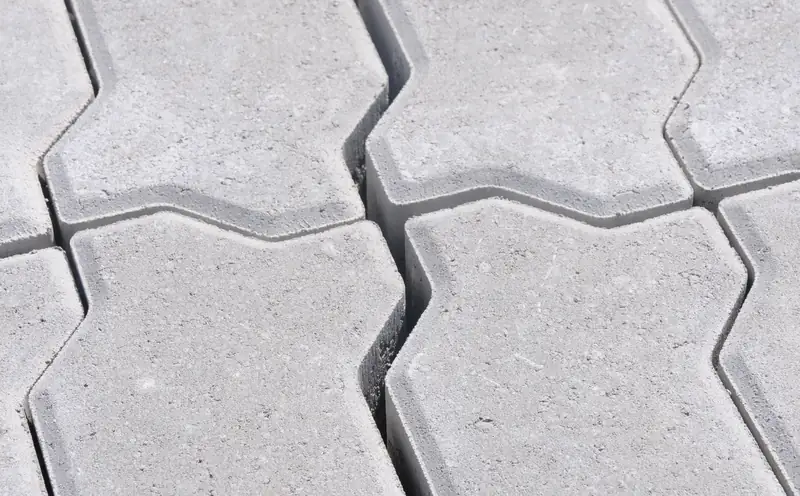
Both problems start from the same root cause: a paver joint that's lost some of its sand leaves a loose, open gap that's sheltered, holds moisture and collects windblown soil and organic debris, which is close to an ideal spot for a weed seed to germinate or a fire ant colony to dig into. Our paver sealing and restoration service includes re-sanding the joints as one of its core steps for exactly this reason, since a tight, compacted joint gives both problems far less to work with than an open one does.
Why Does Joint Sand Wash Out or Lose Volume Over Time?
Ordinary dry sand, swept into the joints and compacted during installation, isn't bonded to anything around it, so heavy rain, sprinkler overspray and routine foot or car traffic all gradually carry a little of it away or pack it down below the paver's top edge. On Florida's flatwoods soils, where a seasonal high water table can push moisture up through the base from underneath, that loss can happen from below as well as from the surface, which is a different and less obvious mechanism than a single storm washing a joint out from above (NRCS, Myakka series). Either way, the joint ends up a little lower and a little looser than it started, and that gap is where both a weed seed and a foraging ant find an opening.
Why Do Fire Ants Specifically Target Paver Joints and Driveways?
Red imported fire ants build colonies in a range of settings beyond the open-ground mounds most people picture, and paved surfaces are one of them. UF/IFAS Extension lists "under pavement and buildings" directly among the environments fire ants colonize in Florida (UF/IFAS, Fire Ants in Florida), and a loose, dry joint offers the same kind of sheltered void a mound in open soil would, minus the exposure to rain, sun and predators that an open mound has to deal with. Once a colony is established under a driveway or patio, it's genuinely hard to locate precisely compared with a visible mound in the yard, which is part of why pavement colonies tend to persist until the habitat itself, the loose joint, gets closed up rather than the ants being treated directly.
Can Re-Sanding Alone Get Rid of an Existing Fire Ant Problem?
No single step permanently clears fire ants from a property; extension guidance is direct that there's no method that permanently eliminates them from an area, and that reinfestation can actually bring a larger population back if control isn't kept up over time (UF/IFAS, Fire Ants in Florida). Re-sanding and compacting the joints removes the specific habitat a paver surface was offering, which is a real, lasting improvement, but an active colony already established under a driveway or patio is a pest-control job, not a hardscape one, and worth calling in separately if mounds or ant activity are showing up right at the pavement's edge.
Why Do Weeds Keep Coming Back in the Same Joints?
A joint that's lost sand collects a little windblown soil and organic debris every season, and that thin layer of actual dirt, not the paver or the base underneath it, is what a weed seed germinates in. Pulling the visible weed without replacing the lost sand leaves that same soil pocket behind, ready for the next seed that blows in or washes down during the next storm, which is why hand-pulling alone tends to be a repeating chore rather than a fix. Polymeric sand, which hardens once it's wetted and cured, closes that gap more durably than plain dry sand does and gives a weed seed far less of a foothold to begin with; our polymeric sand vs. regular joint sand comparison covers which jobs actually call for the upgrade.
Say You Have a Herringbone Driveway With Sparse Weeds Along One Edge
Weeds and ant activity concentrated along one edge rather than spread evenly across the whole surface usually points to a restraint or joint problem specific to that edge, often the section closest to a planting bed, where soil, mulch and irrigation runoff all land directly on the nearest joints. Re-sanding that edge on its own, rather than the whole driveway, is often enough if the rest of the field is still tight, though it's worth checking that an actual edge restraint, not just the adjacent landscaping, is holding that border in place.
Keeping Joints From Becoming a Problem Again
A handful of habits keep a paver field from drifting back into weed and ant territory once the joints are in good shape.
- Sweep loose debris and soil out of the joints on a regular basis rather than letting it accumulate into a weed-ready layer.
- Top off a joint that's visibly lower than its neighbors with matching sand before it becomes an open gap.
- Keep mulch and garden soil pulled a few inches back from any joint along a planting bed's edge.
- Watch for ant mounds forming right at a pavement edge, which is worth a pest-control call rather than a wait-and-see approach.
- Have joints re-sanded with polymeric sand where washout or ant activity keeps recurring; our paver sealing service includes that step as part of a full visit.
Frequently asked questions
Are fire ants in paver joints dangerous?
A fire ant sting is painful and can cause a stronger reaction in people who are sensitive to it, so a colony established right where people walk barefoot, around a pool deck or patio, is worth addressing rather than ignoring even if the pavers themselves aren't at risk. Pest control, not hardscape repair, is the right call for an active colony.
Does polymeric sand stop weeds and ants for good?
It closes the specific opening both problems exploit far more durably than plain dry sand does, since it hardens into a solid, compacted joint once it's wetted and cured, but no joint material is a permanent guarantee against either one. A joint that's lost sand elsewhere on the same surface, or a colony already established before the re-sanding, can still bring both problems back.
Can I pull weeds growing in my paver joints myself?
Yes, for routine upkeep, pulling by hand while the soil in the joint is still damp, right after rain or watering, makes the roots easier to remove whole rather than snapping off and regrowing. It's worth following up with fresh sand in the gap left behind, otherwise the same opening is ready for the next seed that lands there.
Why does regular joint sand wash out faster than polymeric sand?
Plain dry sand isn't bonded to anything once it's compacted into the joint, so rain, overspray and traffic all gradually carry a little of it away or pack it down over time. Polymeric sand contains a binder that hardens once it's activated with water, which resists that same washout far better, though it costs more upfront and takes more care to install correctly.